High Blood Pressure: Managing a Silent Risk to Long-Term Health
Introduction
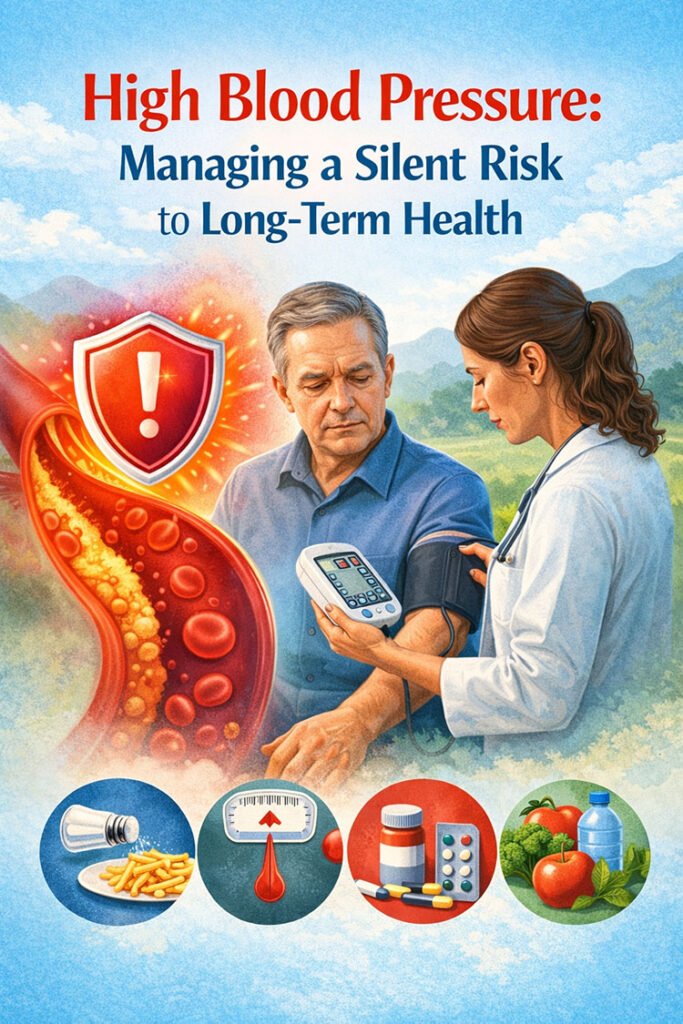
High blood pressure, or hypertension, is one of the most common—and most underestimated—threats to long-term health. Often referred to as the “silent killer,” it can progress for years without noticeable symptoms while quietly damaging blood vessels, the heart, kidneys, and brain. Many people feel well and assume everything is fine, only to discover later that significant harm has already occurred.
The encouraging reality is that high blood pressure is highly manageable, especially when identified early and addressed thoughtfully. At Elite Internal Medicine, we focus on understanding why blood pressure is elevated, not just reacting to the numbers. With the right evaluation and a personalized plan, patients can significantly reduce risk and protect their long-term health.
What It Is / Why It Matters
Blood pressure measures the force of blood pushing against artery walls. When this pressure remains elevated over time, it places chronic strain on the cardiovascular system. Hypertension significantly increases the risk of heart failure, kidney disease, stroke, vascular dementia, and vision problems.
What makes high blood pressure particularly dangerous is its lack of symptoms. Many patients are unaware they have a problem until complications arise. Even mildly elevated readings, when persistent, can contribute to long-term damage.
Early, common sense intervention matters. Addressing blood pressure proactively reduces cardiovascular risk, preserves organ function, and often prevents the need for escalating medication. Prevention-focused care allows us to intervene before hypertension becomes entrenched and harder to reverse.
How It’s Diagnosed and Evaluated
Accurate diagnosis requires more than a single elevated reading in an exam room. Blood pressure is dynamic and influenced by stress, sleep, activity, alcohol, anti-inflammatory medications and many medical conditions.
At Elite Internal Medicine, evaluation often includes repeated measurements over time, home blood pressure monitoring, and a thorough review of contributing factors such as weight trends, sleep quality, stress levels, nutrition evaluation, physical activity, and family history.
We also assess related markers that influence cardiovascular risk, including metabolic health, kidney function, inflammatory markers, and cholesterol patterns. Understanding the full picture helps distinguish between situational elevations and true chronic hypertension—and guides more effective treatment decisions.
Treatment and Lifestyle Guidance
Management of high blood pressure is highly individualized. Lifestyle changes often form the foundation of treatment, especially in early or borderline cases.
Nutrition guidance focuses on reducing carbohydrates, improving potassium intake, supporting metabolic health, and encouraging sustainable eating patterns rather than rigid diets. Some also benefit from reducing sodium intake. Physical activity recommendations emphasize consistency, cardiovascular fitness, and strength training, all of which help lower blood pressure naturally.
Sleep quality, stress management, and recovery are critical but frequently overlooked contributors. Chronic stress and poor sleep alone can significantly elevate blood pressure.
When medication is appropriate, it is selected thoughtfully based on the individual’s physiology, risk profile, and tolerance. The goal is always to use the lowest effective dose while addressing underlying contributors whenever possible.
Dr. Clemens’ Concierge Approach
Hypertension management benefits greatly from continuity, education, and time—elements that are often limited in traditional primary care. In a concierge setting, we can monitor blood pressure trends closely, review home readings, and adjust treatment proactively.
Patients have direct access for questions, timely follow-up on labs, and longer visits to understand their numbers and options. This approach improves adherence, reduces unnecessary medication changes, and leads to better long-term control.
Serving patients throughout the Denver area and surrounding suburbs, Elite Internal Medicine focuses on preventing complications rather than reacting to them—helping patients maintain cardiovascular health with clarity and confidence.
A Proactive Path to Better Health
High blood pressure does not have to be inevitable or ignored. With early detection, thoughtful evaluation, and personalized care, it can be effectively managed. If you’re concerned about your blood pressure or want a more proactive approach to cardiovascular health, I invite you to learn more about concierge care or schedule a consultationwith Elite Internal Medicine.